
Returning to Q0DE: Where Small Works Make a Lasting Impression
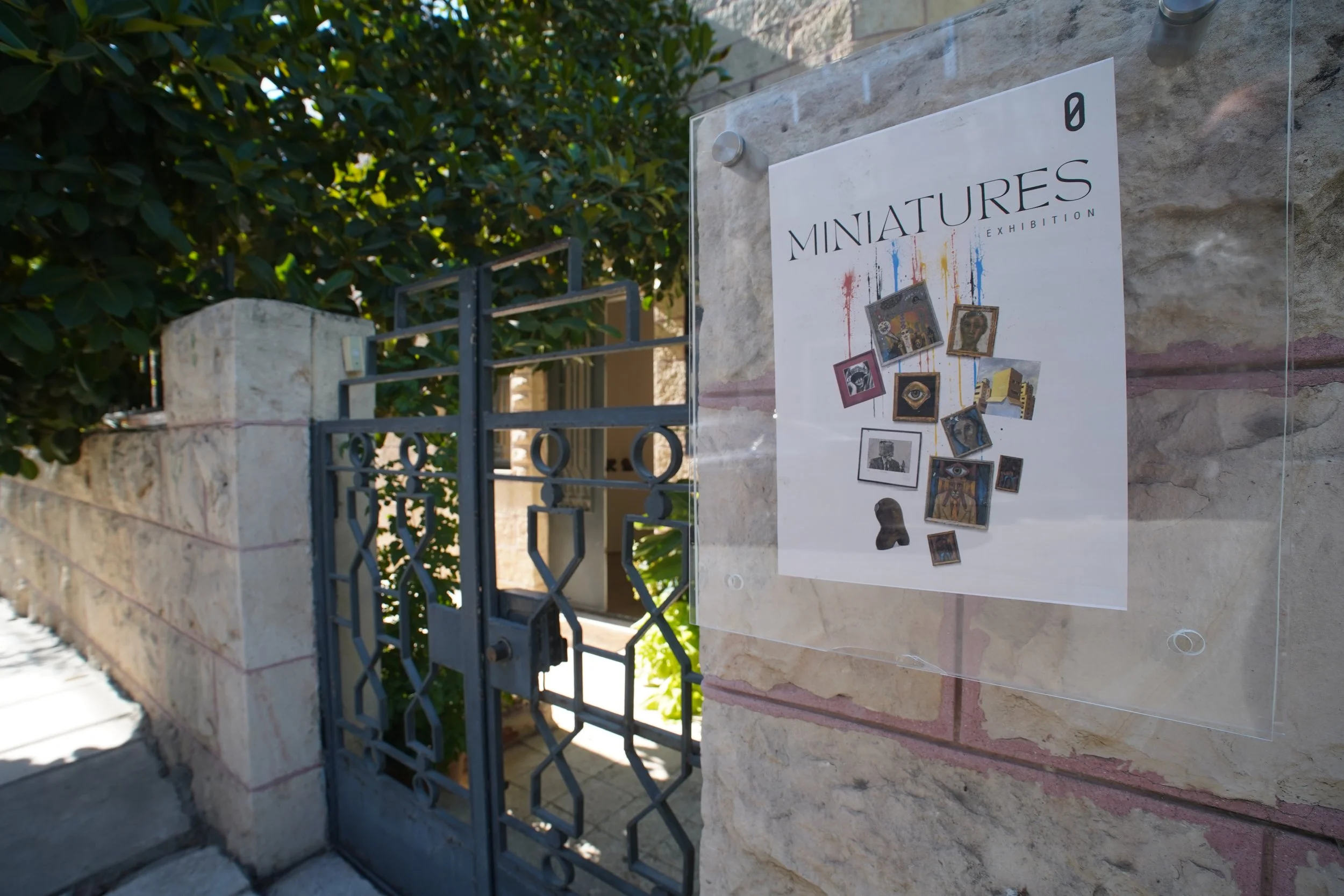
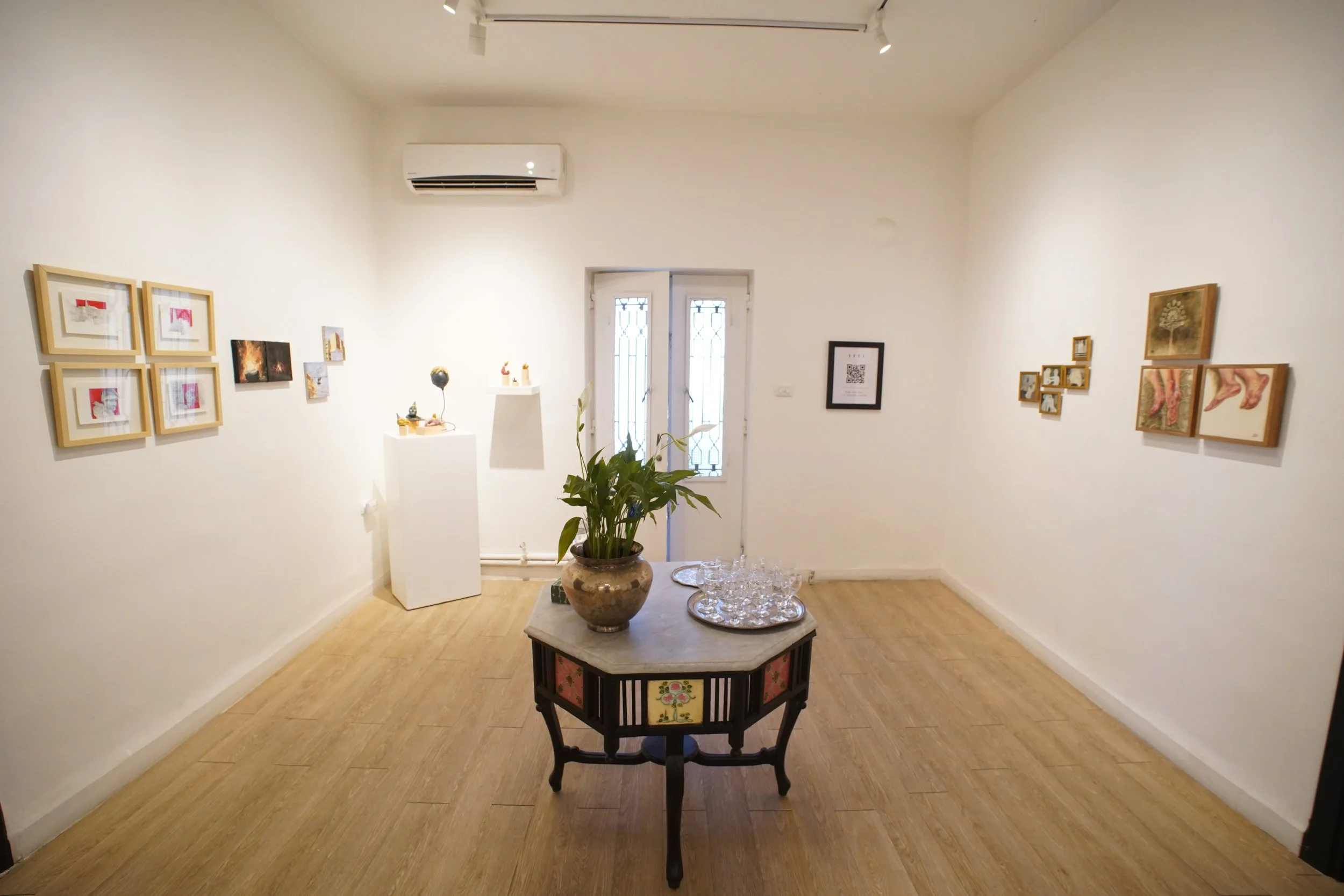
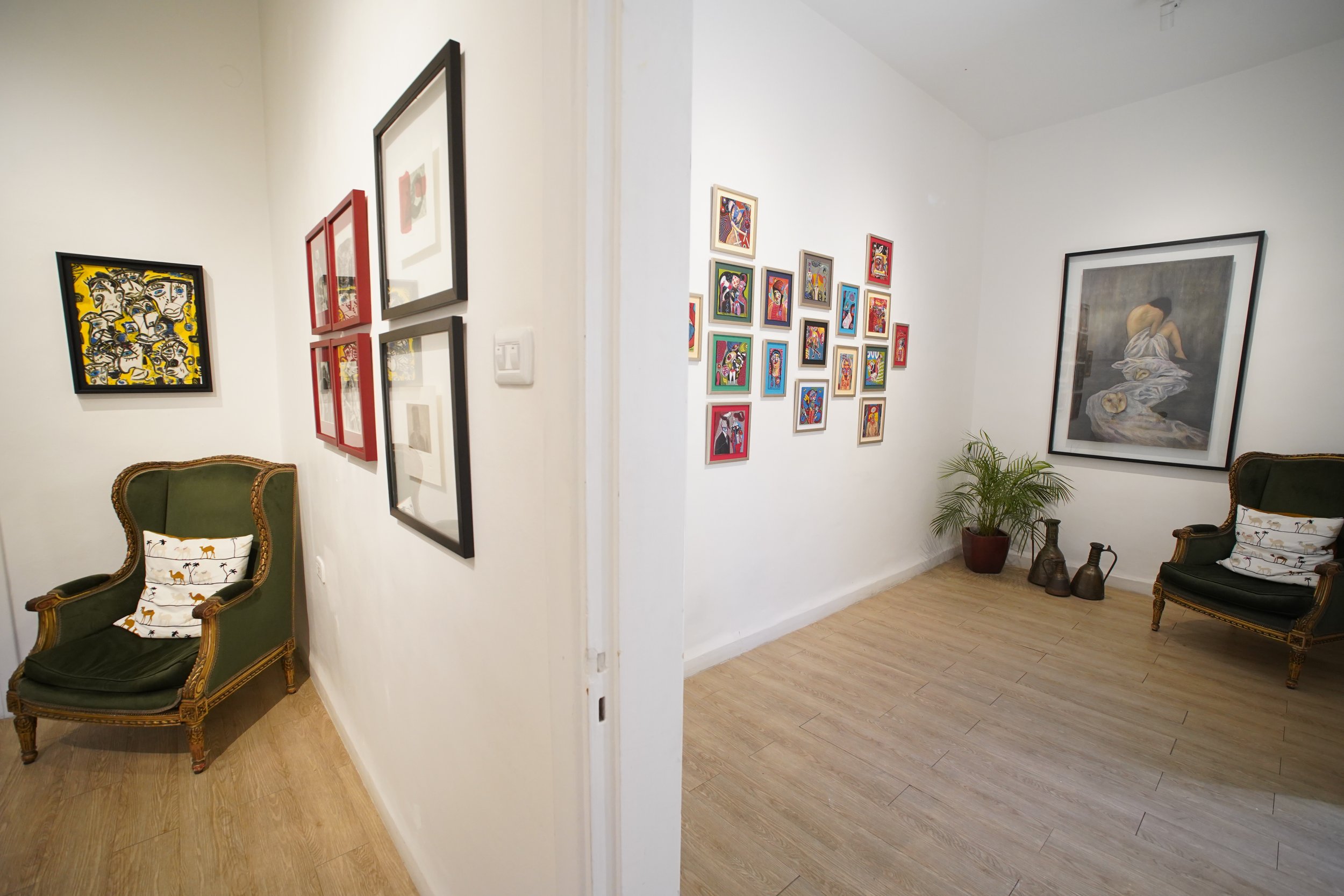
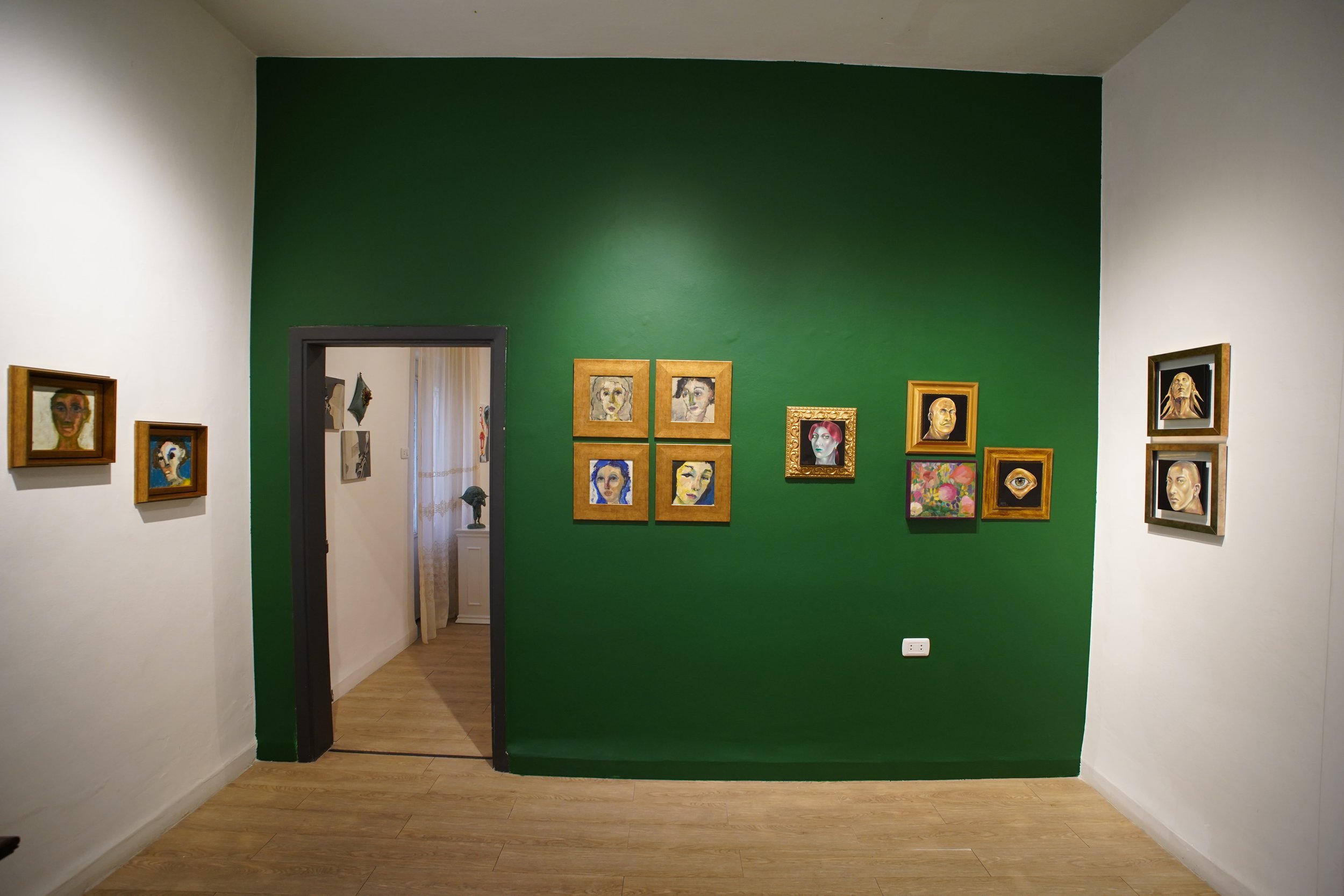
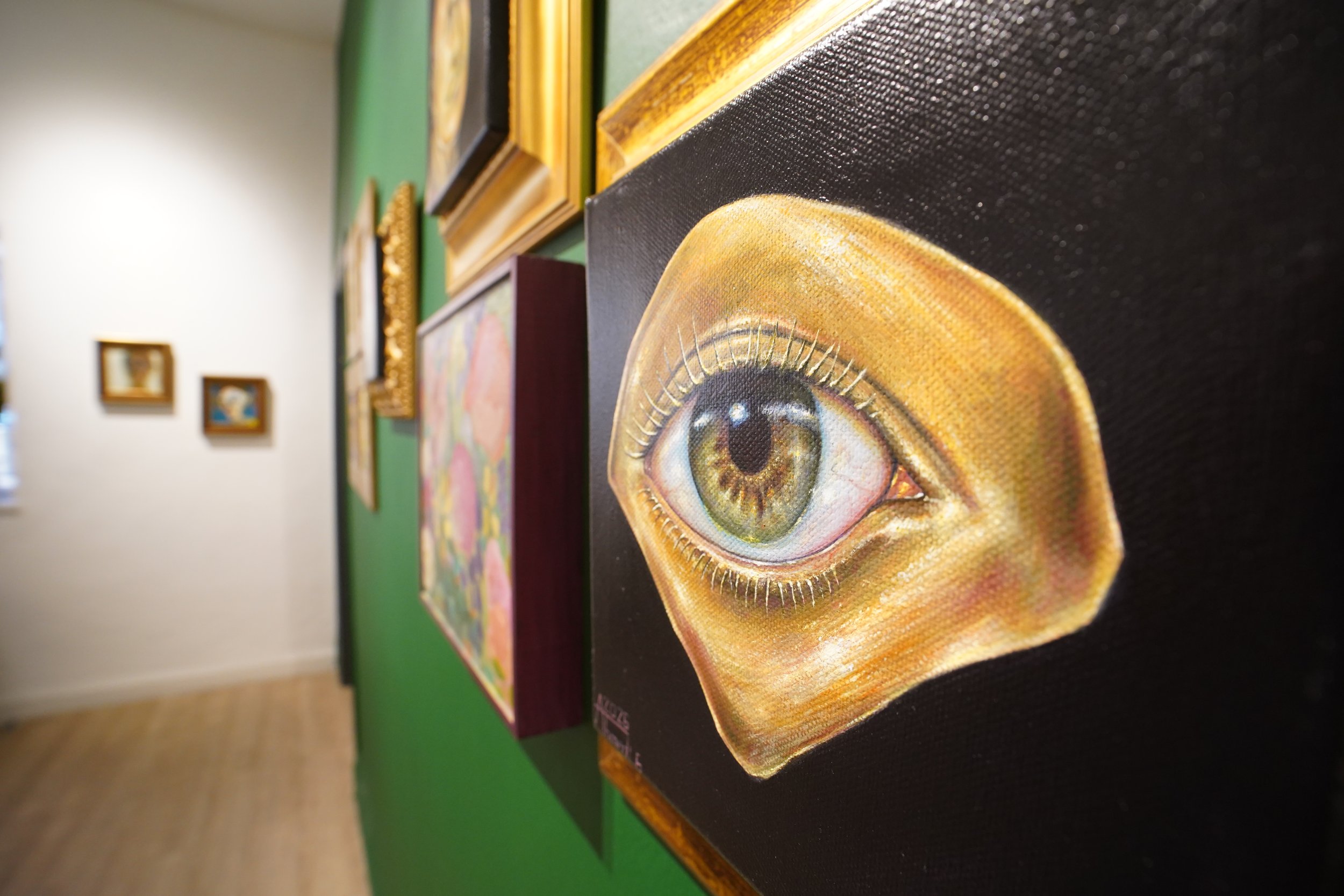
For many people, returning to a familiar place can bring back memories. For me, returning to Q0DE Art Space was also a chance to see a place I once knew from a completely different perspective.
Years ago, I walked through the gallery’s doors every morning as an employee. At the time, I did not fully appreciate how much the space would influence my understanding of art, exhibitions, and the relationship between artists and their audiences.
Now, returning as a journalist and visitor, I found myself looking at Q0DE through a different lens.
The occasion was “Miniatures,” an exhibition built around works that challenge the assumption that scale determines impact. Rather than relying on large canvases or monumental installations, the exhibition draws attention to smaller works and the level of concentration they demand from the viewer.
The experience begins almost immediately upon entering the gallery. The works encourage visitors to move closer rather than simply passing by. Their smaller dimensions make details more significant, requiring time and attention that can easily be lost in the pace of everyday life.
In that sense, “Miniatures” offers more than a presentation of small-scale artworks. It creates a slower viewing experience.
At a time when galleries, museums, and cultural institutions increasingly compete for audiences’ attention, the exhibition takes a quieter approach. Its works ask viewers to pause, look carefully, and consider details that might otherwise be overlooked.
That emphasis on observation is particularly relevant in a city that is constantly changing. The exhibition provides a temporary space in which visitors can step away from the speed of the urban environment and engage with art at a more deliberate pace.
For me, however, the visit carried another layer of meaning.
Returning to Q0DE brought back memories of the years I spent there, but it also highlighted how much the space itself had remained familiar. The exhibitions and faces may change, but the gallery continues to function as a place where artists, journalists, art enthusiasts, and casual visitors can come together.
This is perhaps one of the most important roles an independent art space can play. A gallery is not simply a venue for displaying finished works. It can also become a meeting point — a place where conversations begin, perspectives are exchanged, and audiences encounter ideas they may not otherwise come across.
“Miniatures” succeeds in creating that kind of encounter through simplicity rather than spectacle. Its small works encourage a closer relationship between the viewer and the artwork, demonstrating that physical size and artistic significance are not necessarily connected.
Leaving Q0DE, I found myself reflecting on the difference between returning to a place as someone who once worked there and returning as someone documenting it.
The first experience was about being part of the space. The second was about observing it.
Yet the two perspectives ultimately led to a similar conclusion: places dedicated to art can become meaningful far beyond the exhibitions they host.
For me, “Miniatures” was more than a journalistic assignment. It was an opportunity to revisit a space that played a role in shaping my understanding of art — and to discover how that same space continues to create opportunities for artists and audiences to connect.
Sometimes, returning to a familiar place does not simply take you back.
It allows you to see how far you have come.
