
The Ritual of Smoke: Inside Amman's Cigar Culture
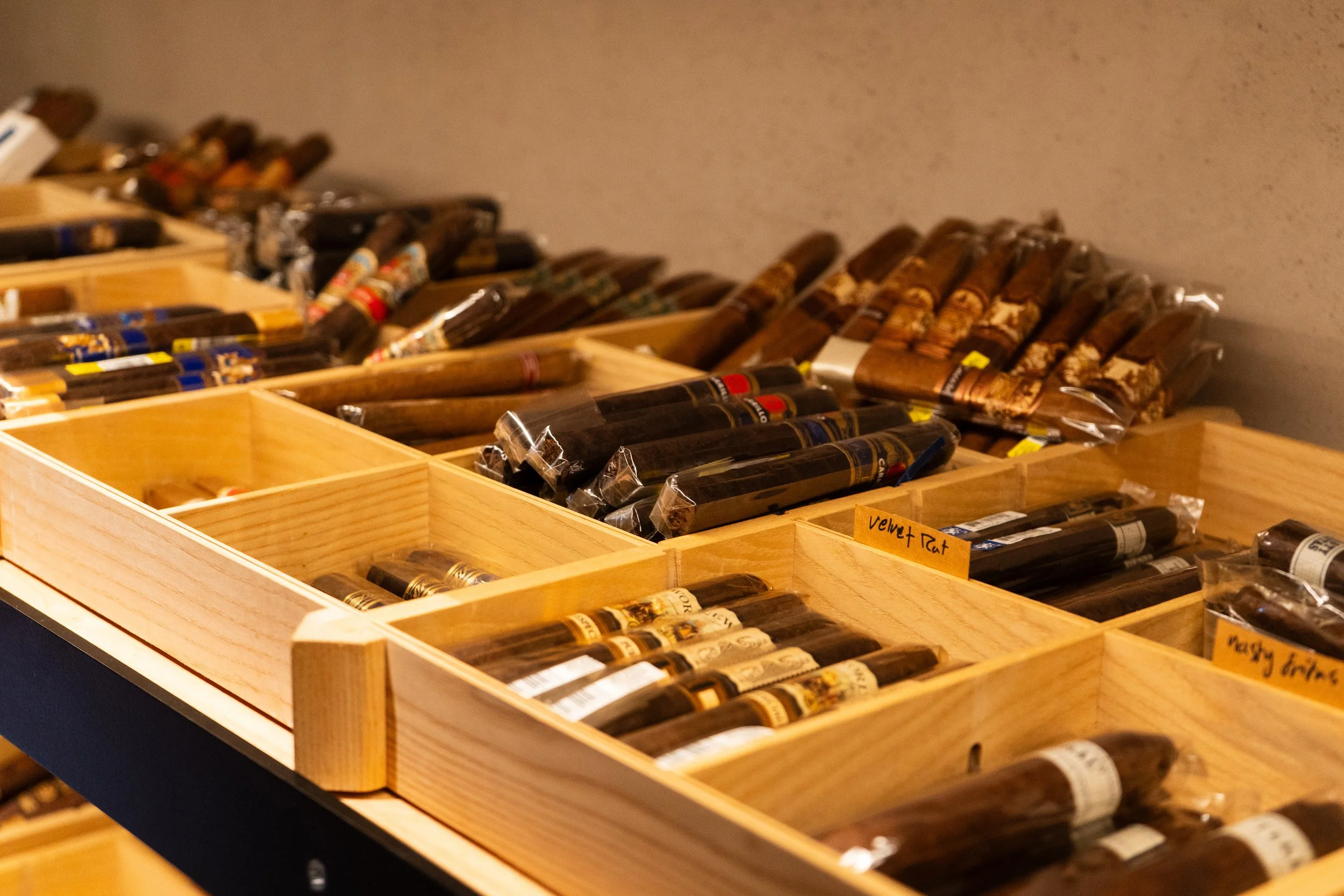
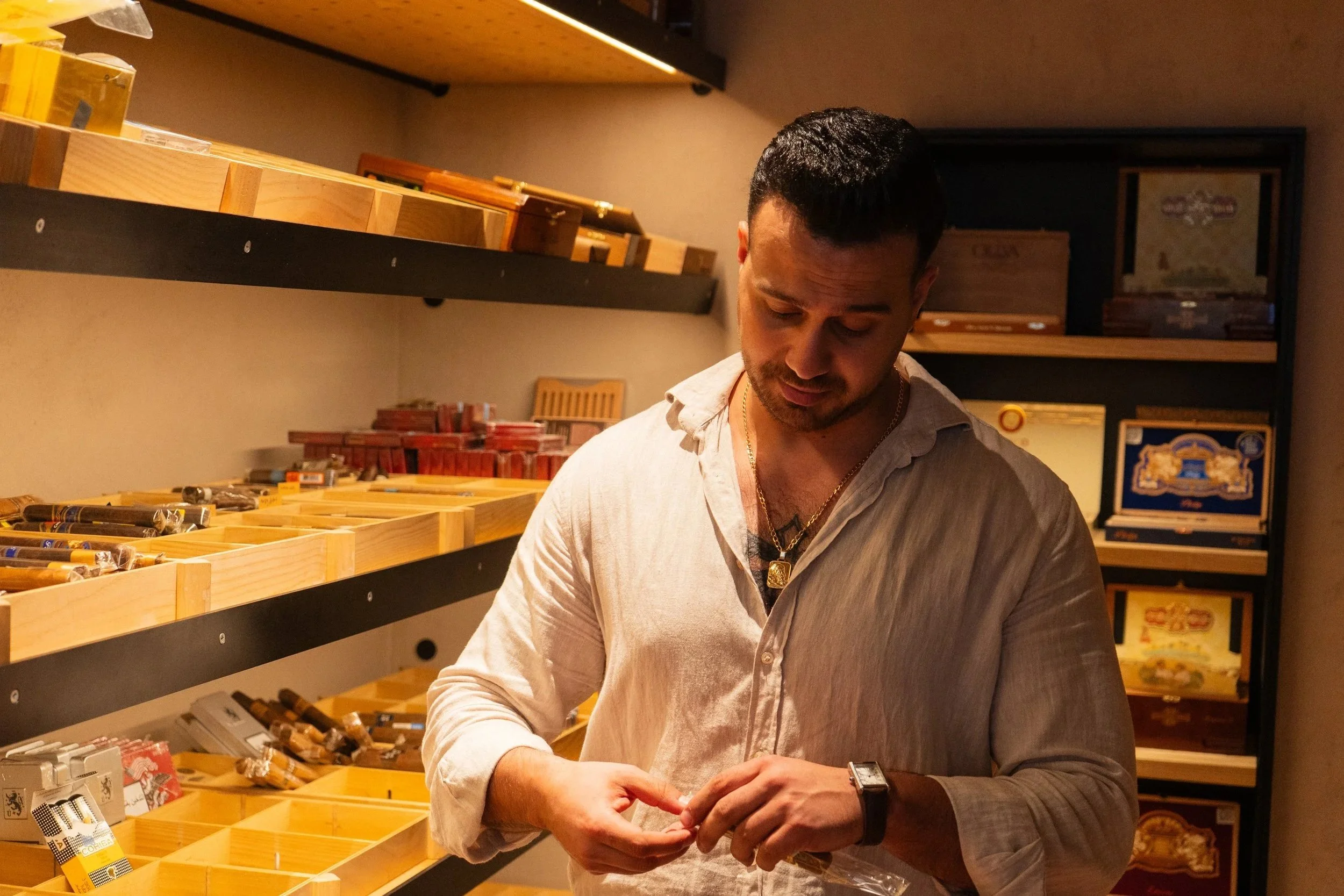
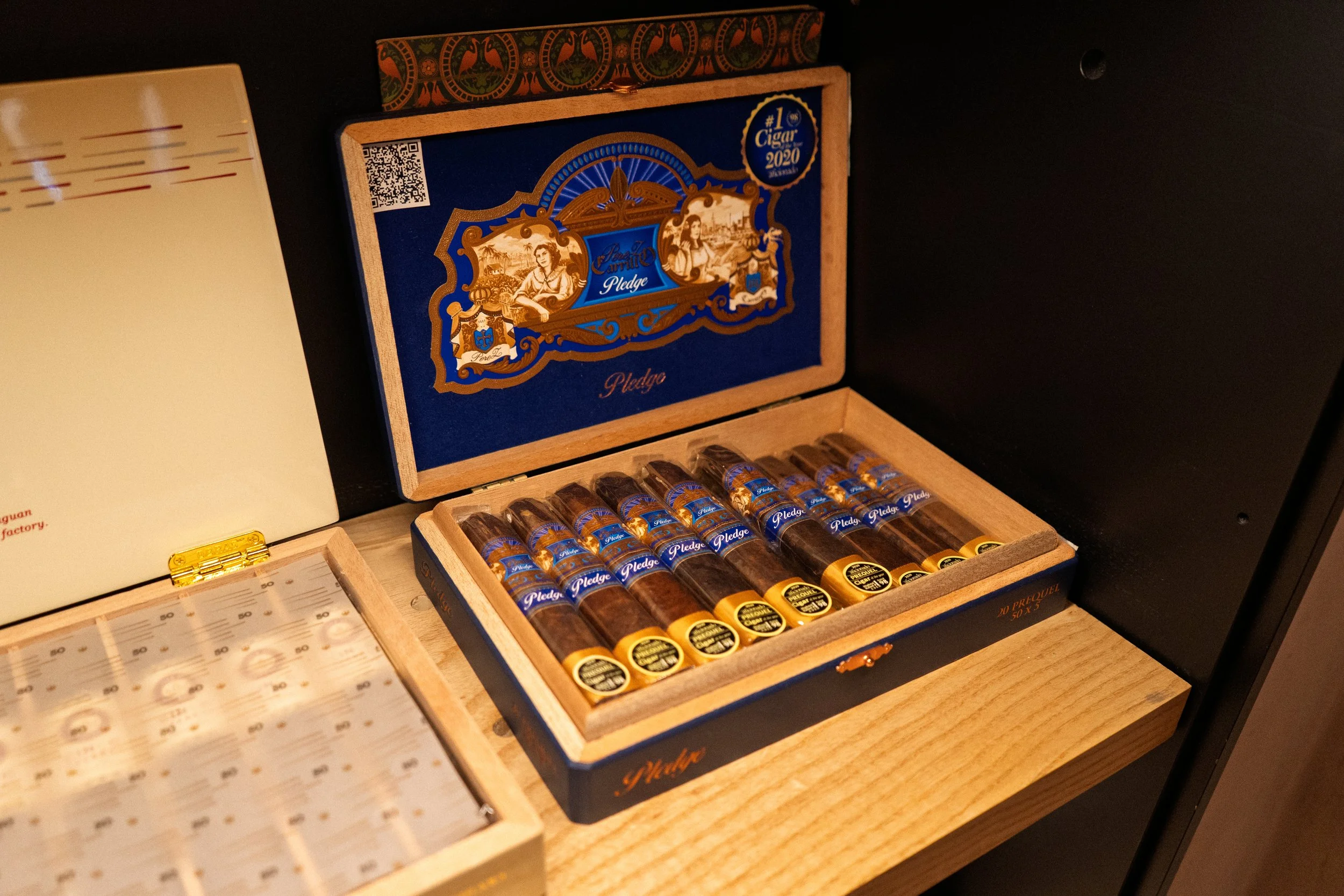
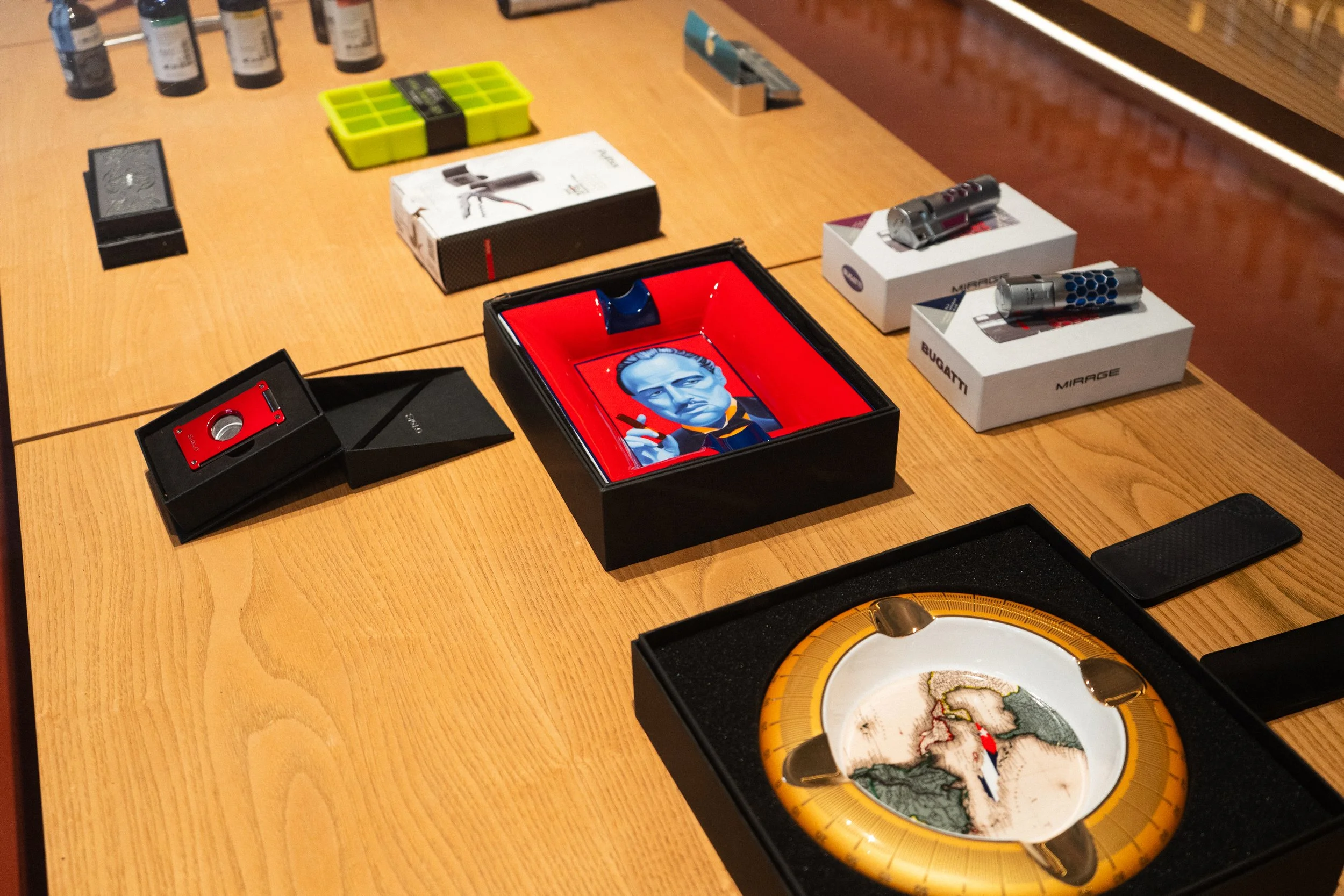

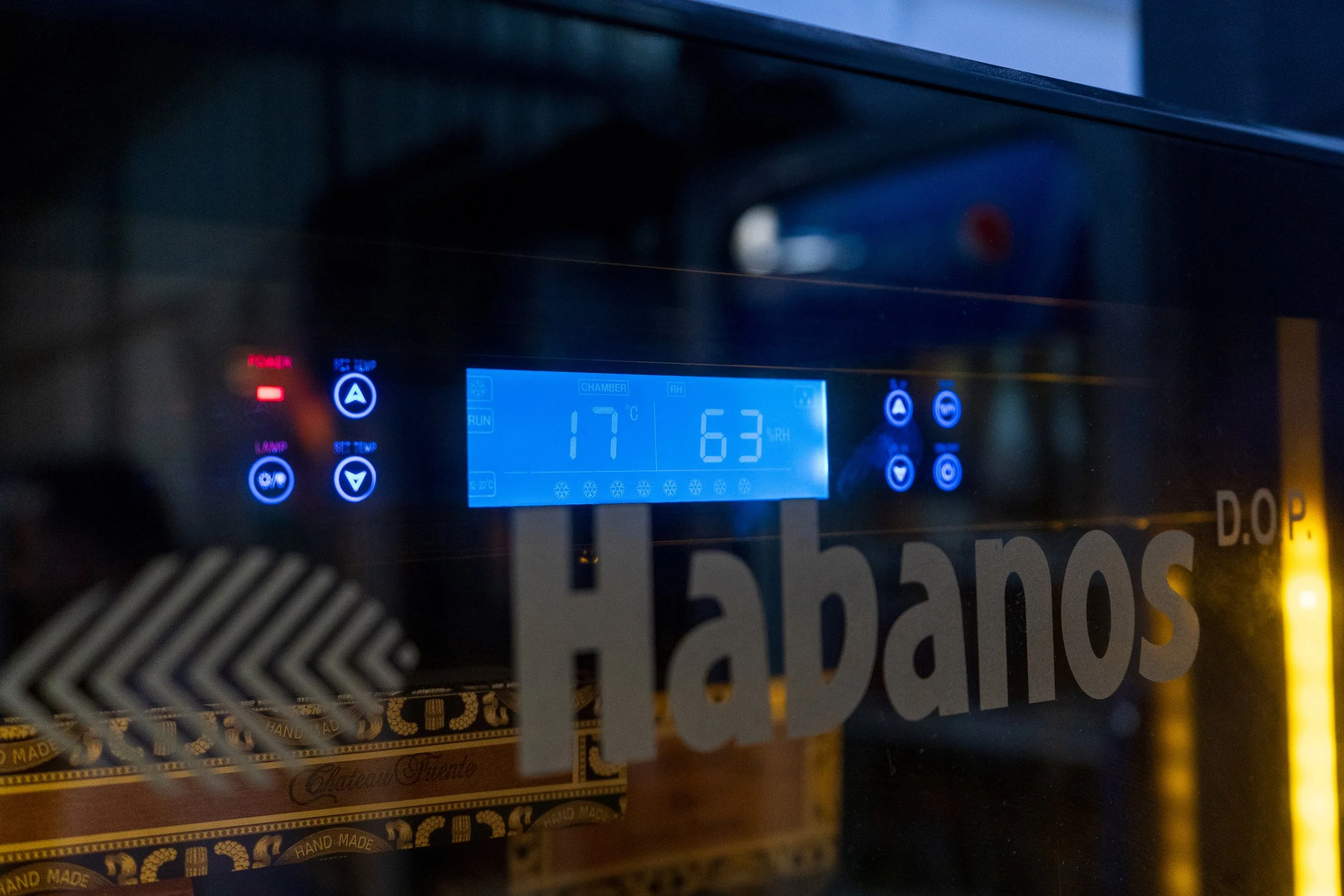
Some places announce themselves before you even step through the door. When Yousef Mazahrah welcomed me into the cigar showroom at Fyxx, the first thing that reached me wasn't a sound or a sight — it was the smell. A deep, earthy tobacco aroma filled the room and instantly set it apart from the streets of Amman just outside.
Yousef led me into a world I barely knew, but one that was unmistakably his. What began as a conversation about cigars quickly became something larger — about culture, craftsmanship, patience, and ritual.
Cigar culture in Jordan, Yousef told me, remains small and largely exclusive, drawing a tight circle of enthusiasts. But what sets a cigar apart from ordinary smoking, he believes, isn't the tobacco itself — it's everything built around it.
For Yousef, a cigar was never something you simply light and finish. It is a ritual.
A Ritual After Midnight
Yousef described his ideal cigar moment the way someone describes a memory they return to often. After a long day, he comes home around 1 a.m., pours a glass of water, puts on some jazz, and lights a cigar on the couch.
There's something almost cinematic about the image: a quiet room deep in the night, jazz drifting low in the background, a glass of water within reach, smoke rising slowly into the air.
He doesn't call it a lifestyle, and he's careful not to let it run his day. It's smaller and more deliberate than that — a pause he builds for himself, carved out after the noise of work has finally gone quiet.
A Cigar to Take Home
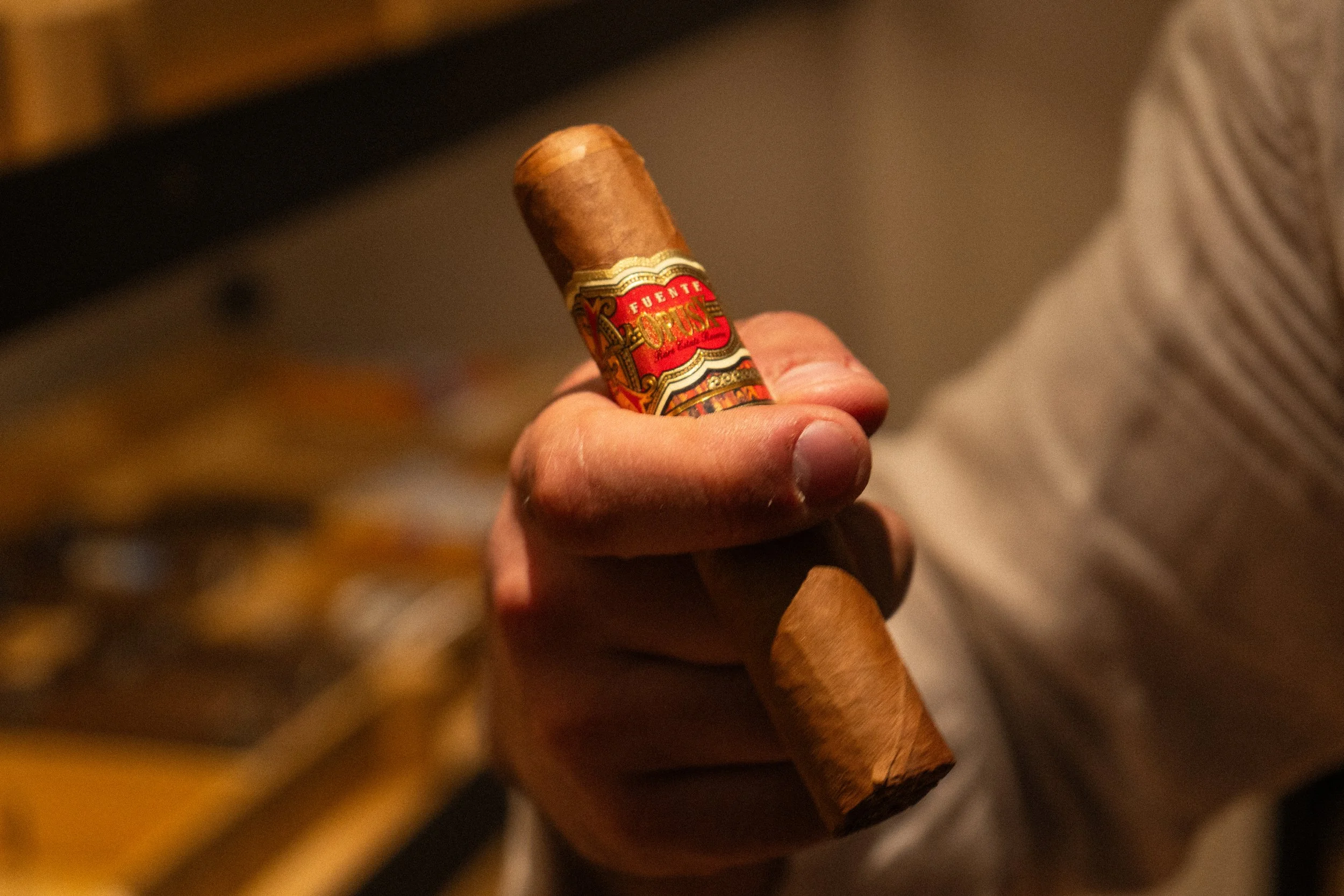
Before I left the showroom, Yousef handed me a cigar and told me to try it. I didn't smoke it there. I carried it home instead, along with all the curiosity our conversation had stirred up.
Later that night, I tried to recreate the ritual he'd described. I made a cup of coffee, sat down, and searched YouTube for some jazz. The video I landed on, for reasons I still can't explain, had Tom from Tom and Jerry on the thumbnail.
It wasn't exactly the elegant scene I'd pictured. I went with it anyway.
I lit the cigar and did my best to follow along. Then came the first surprise: it was strong. Very strong. The tobacco had a powerful, earthy character, and its taste lingered in my mouth long after I'd stopped smoking — refusing, almost stubbornly, to disappear.
It was my first real attempt at experiencing a cigar the way Yousef had described it, and somewhere in the middle of it, I understood something: the experience was never really about the smoking itself. It
was about everything surrounding it — the preparation, the atmosphere, the smell, the taste, the music, and most of all, the time you allow yourself to slow down.
From Cuba to the Dominican Republic
Our conversation at Fyxx eventually drifted beyond Jordan's borders. Yousef spoke with real passion about the history of cigar production — the enduring importance of Cuba, and the rise of the Dominican Republic as a major force in premium cigars.
For him, the Dominican Republic's soil is part of what makes its tobacco extraordinary. That, paired with generations of agricultural knowledge and craftsmanship, has helped the country earn its place among the most respected names in the cigar world.
Listening to Yousef, it became clear his passion isn't really about smoking cigars at all. It's about understanding them: where they come from, how they're grown, how they're made, and why two cigars can create two entirely different experiences.
More Than Smoke
When I finally finished my first cigar at home, my mind kept drifting back to that first moment inside the Fyxx showroom — the earthy tobacco smell that greeted me before I'd even seen a single cigar.
Before meeting Yousef, I thought of a cigar as something people simply smoke. After our conversation, I began to understand why enthusiasts describe it so differently.
For them, a cigar can hold a moment of stillness — a deliberate break from the speed of everyday life. And maybe that's what makes this culture so interesting: the cigar itself is only one part of the experience.
There is the story behind the tobacco. There is the craftsmanship. There is the place. There is the person sharing it with you. And then there is the ritual you build for yourself, out of all of it.
Before I left Fyxx, I asked Yousef one last question: if he could tell people just one thing about cigars, what would it be?
"A cigar is not a chemical thing. You will enjoy smoking it."
It was a brief answer, but it carried his whole philosophy — that a cigar is less about consumption, and more about ritual.
Later that night, sitting at home with a cup of coffee, jazz playing low, and Tom staring back at me from a YouTube thumbnail, I finally understood a small part of what he meant.
The cigar eventually burned out. But the aroma stayed.
